

Latest news
Why Patients Often Move From Flexible Dentures to Scandinavian Dentures
Find out why many patients switch to Scandinavian Dentures.
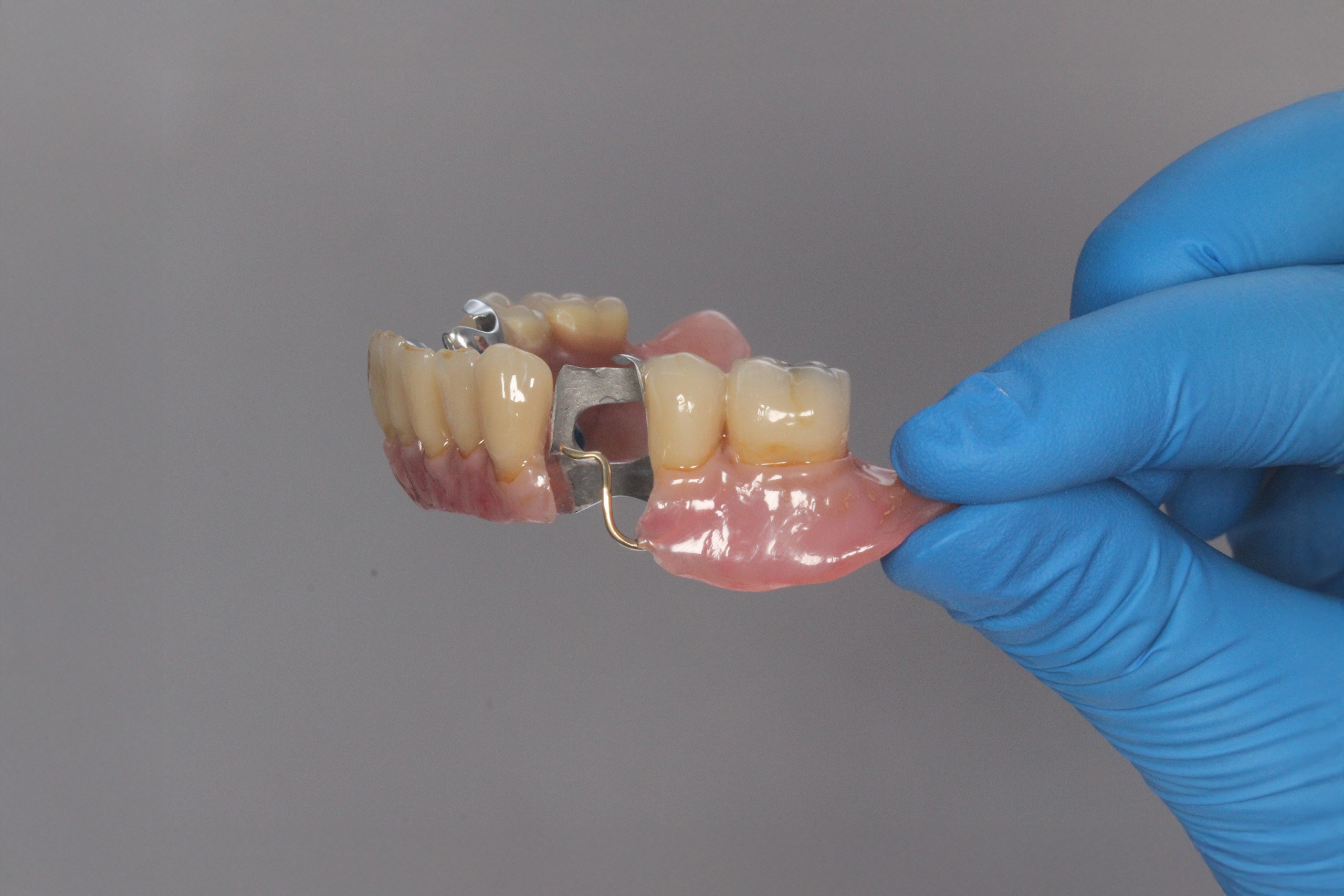
Flexible dentures are extremely popular - and for good reason.
Many patients initially love them because they are:
- lightweight
- metal free
- comfortable at first
- more aesthetic than bulky acrylic dentures
For many people, a flexi denture feels like a huge improvement initially.
But over time, patients often begin to notice:
- increasing looseness
- movement when eating
- needing more adhesive
- sore gums
- shrinking gums and bone
- pressure on remaining teeth
- Orange/yellow discolouration
The problem is not that flexible dentures are “bad” — it is that flexibility comes with compromises. Because the denture bends during chewing, it can place uneven pressure on the gums and remaining teeth, leading to instability and ongoing shrinkage over time.
This is where Scandinavian denture design is different.
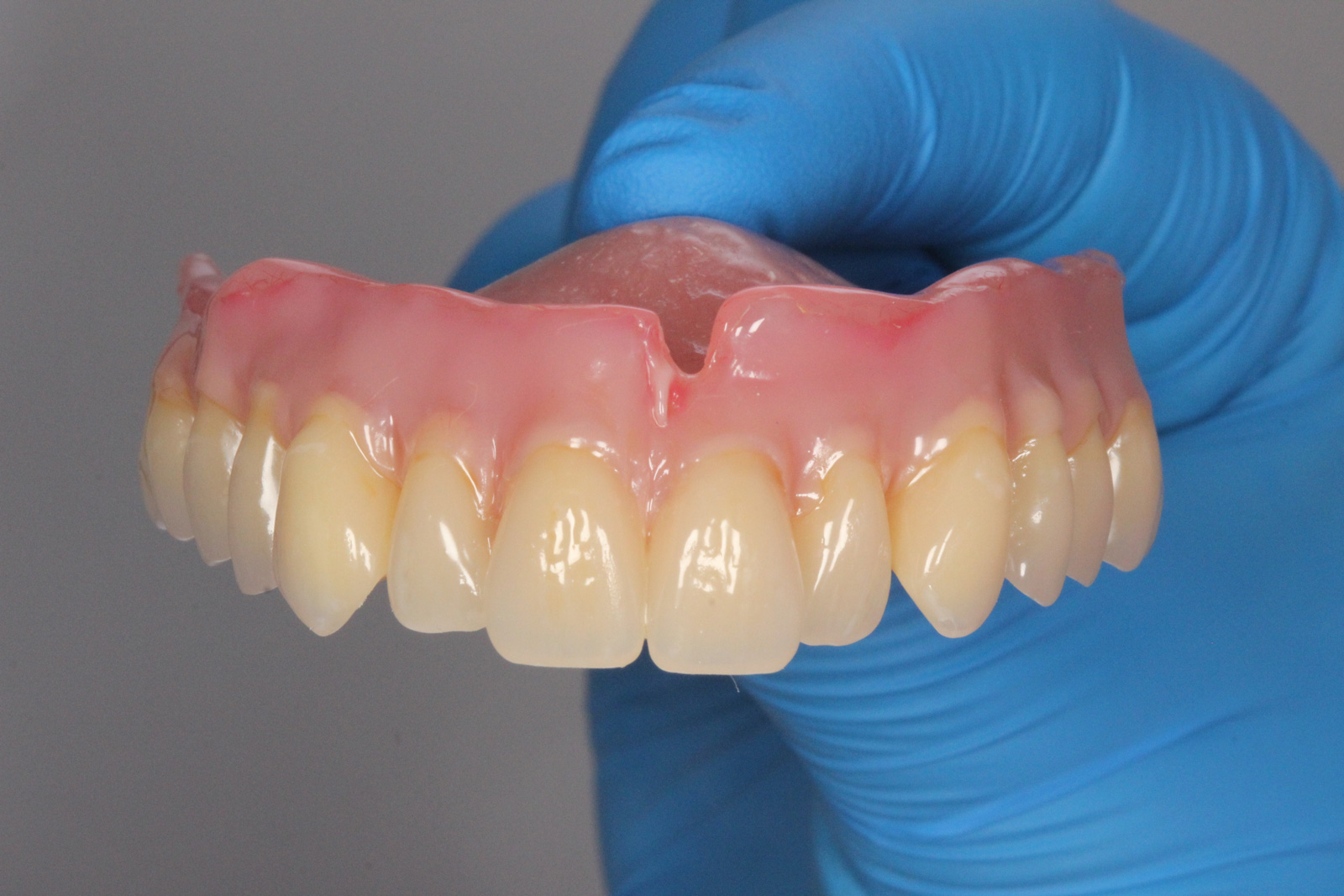
Why Scandinavian Dentures Are Better Long-Term
Scandinavian-style dentures are designed to:
- stabilise the bite
- protect remaining teeth
- reduce gum pressure
- preserve bone
- improve chewing confidence
- minimise movement
Rather than flexible plastic, they use a thin cobalt chrome framework which is:
- stronger
- thinner
- less bulky
- more hygienic
- more stable during eating
Many patients are surprised to find that metal dentures actually feel lighter and less bulky than flexible or acrylic dentures.
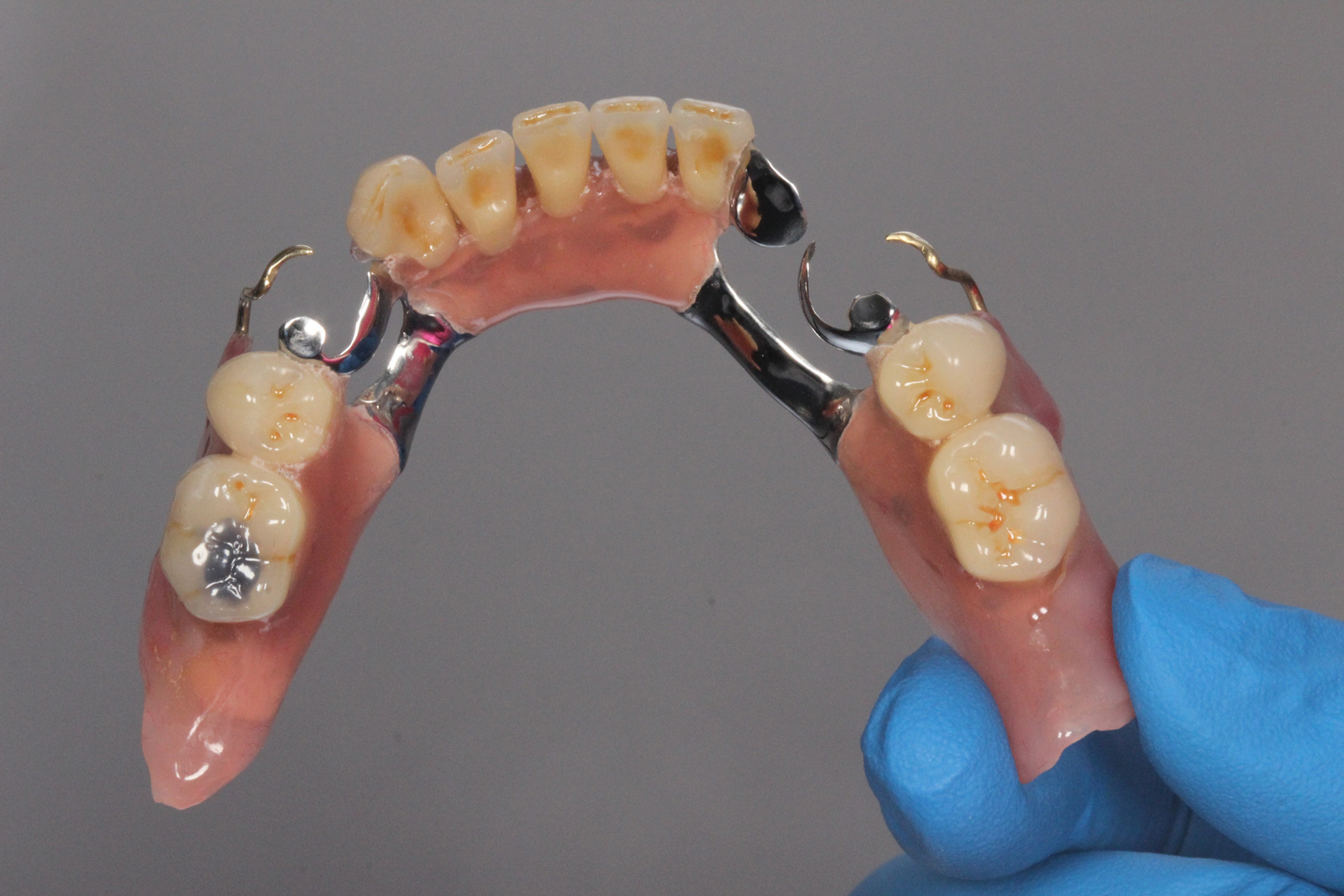
Your Remaining Teeth Are “Gold Dust”
One key Scandinavian principle is preserving natural teeth wherever possible.
Remaining teeth help:
- anchor the denture
- improve stability
- reduce rocking
- slow bone loss
- improve confidence when chewing
Instead of the denture bouncing on the gums, the forces are shared more evenly between teeth and soft tissues.
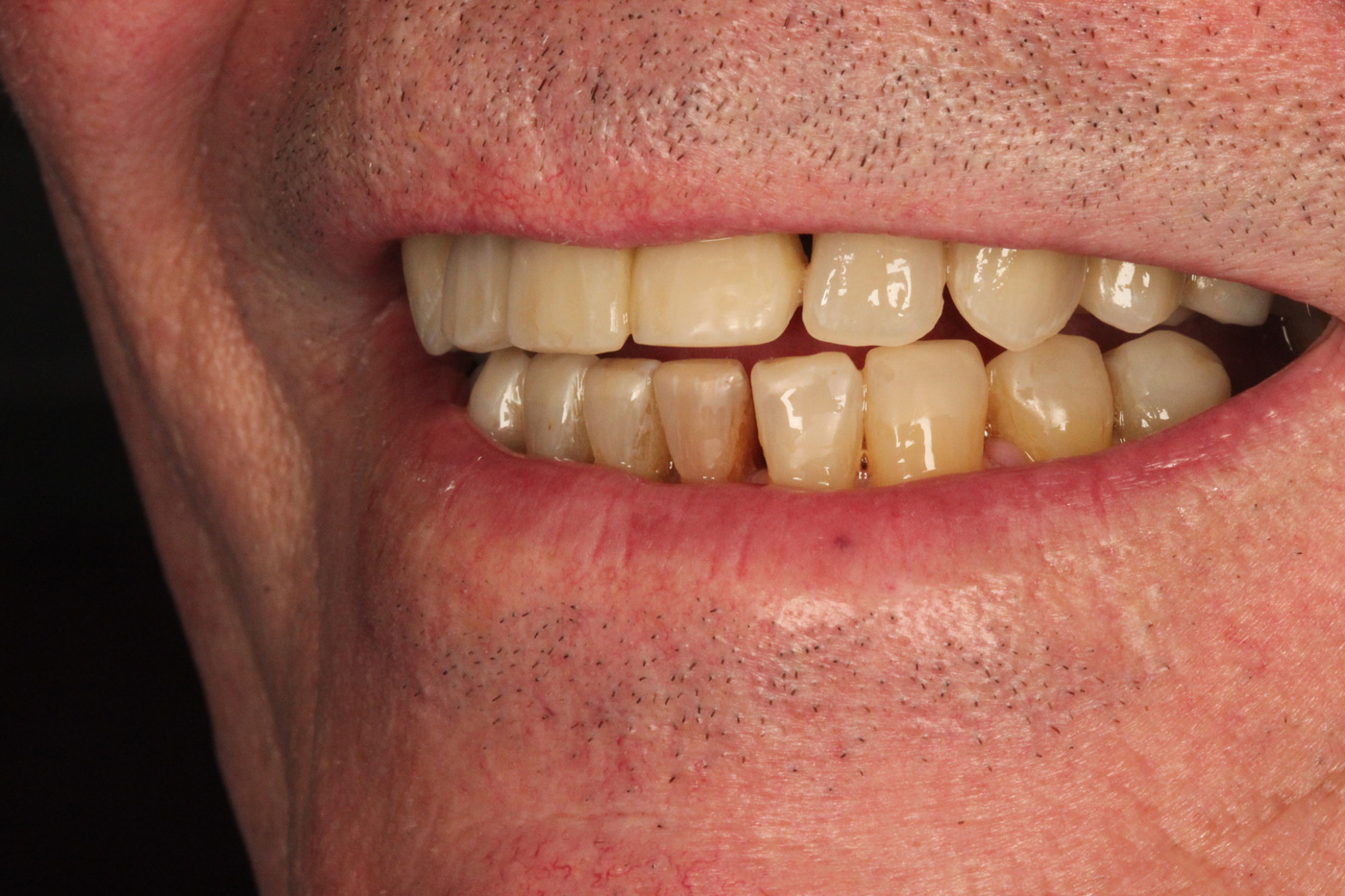
A Common Story We Hear
Many patients tell us:
“I loved my flexi denture at first… but now it just doesn’t feel stable anymore.”
Often they are tired of:
- using Polygrip constantly
- avoiding certain foods
- dentures moving while talking
- sore spots and looseness
Scandinavian dentures are not simply about replacing teeth — they are about creating a healthier, more stable long-term solution.
Dentures Should Feel Secure
Good dentures should help you:
- eat confidently
- smile comfortably
- speak naturally
- feel secure throughout the day
If your flexible denture is starting to feel loose, unstable, or uncomfortable, a Scandinavian-style denture may offer a more stable and predictable long-term solution.

 by Dental Design™Site last updated: October 2026