

Latest news
Understanding Dental Implants
What Are Dental Implants and How Do They Work?
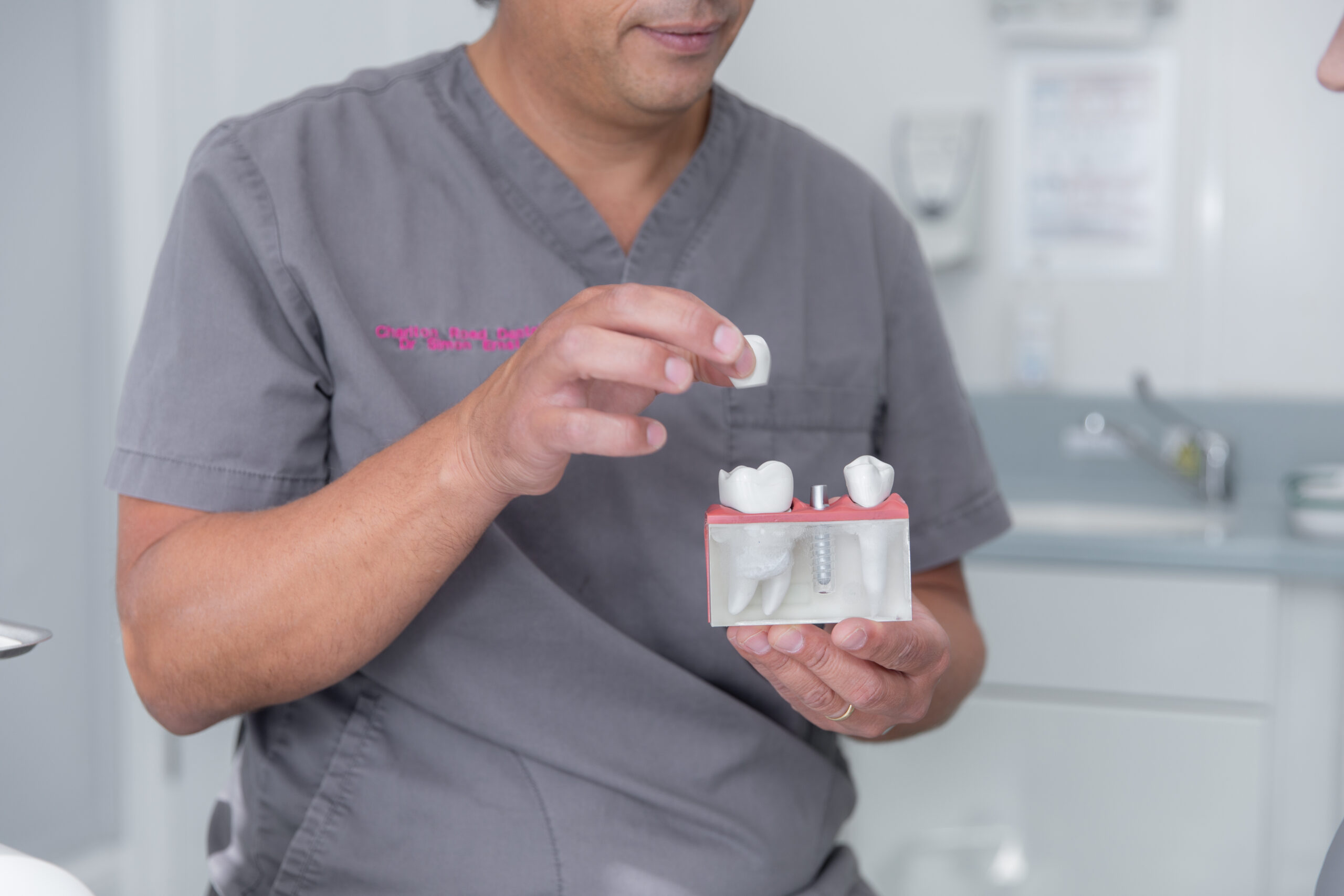
Think of a dental implant as a three-part system:
- Implant Fixture: The artificial root that integrates with your bone. It is a small screw (usually titanium or zirconia) inserted into the jawbone.
- Abutment: A small connector that attaches the restoration to the implant.
- Restoration - Crown, Bridge or Denture: The visible tooth-like portion customised to match your natural teeth.
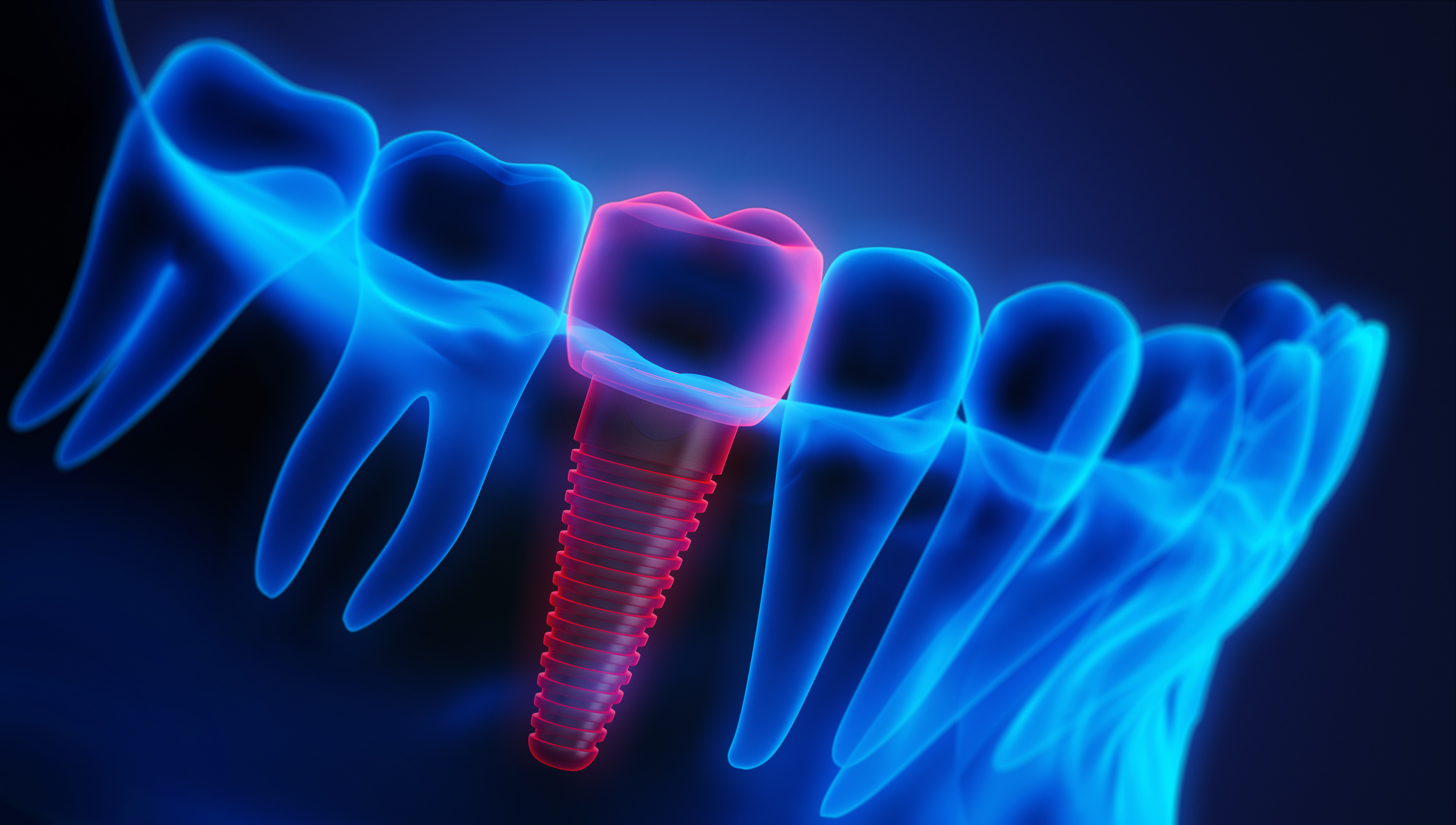
The Science of Osseointegration
Osseointegration is what makes dental implants so stable. It is the biological process where the jawbone grows around and fuses to the implant, anchoring it securely in place. This process is critical for long-term implant success and typically takes several weeks to months.
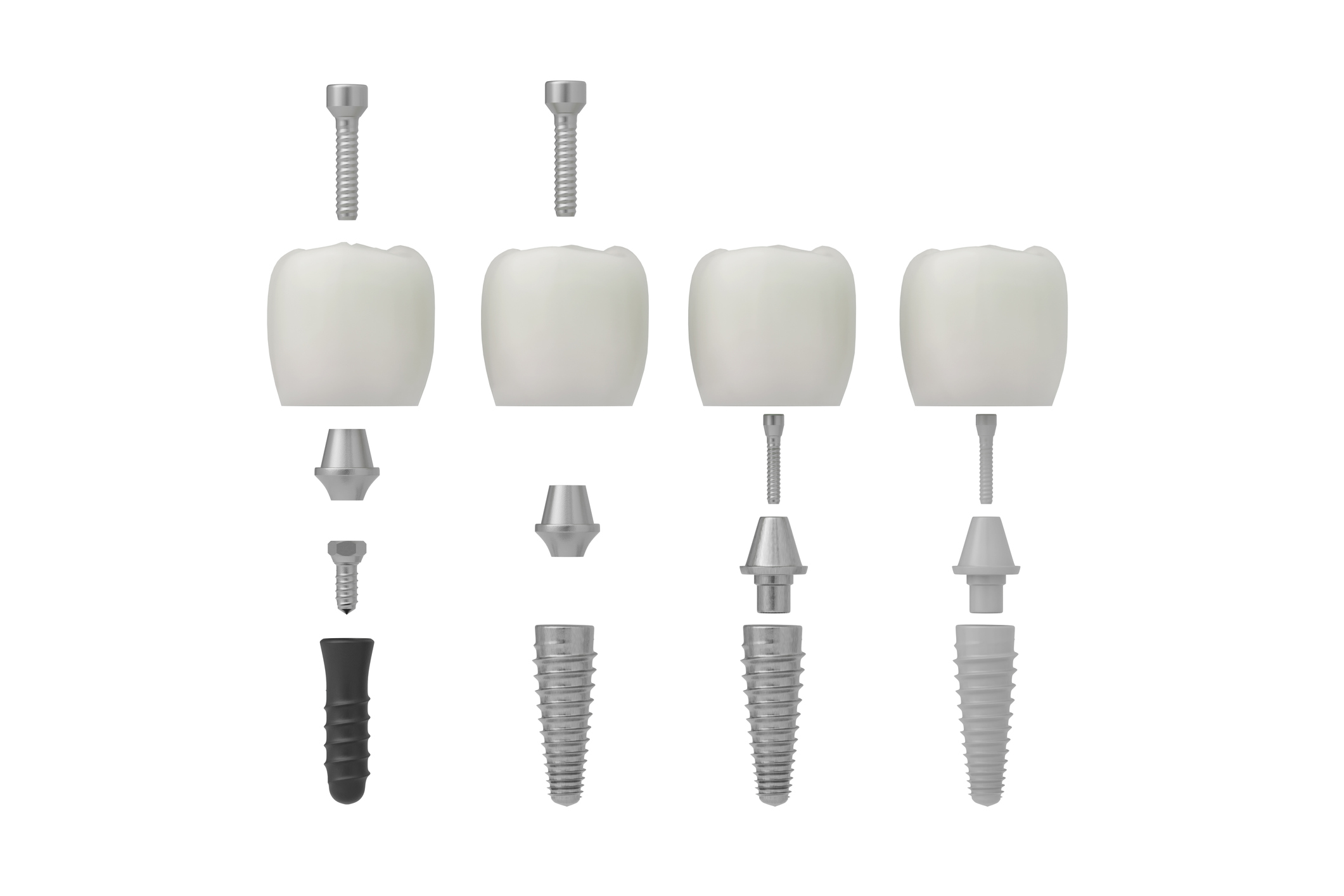
Comparison Between Titanium and Zirconia Implants
Titanium vs. Zirconia Implants
- Titanium: The most commonly used material, known for its durability, strength and compatibility with bone, providing excellent osseointegration.
- Zirconia: A metal-free alternative preferred by some dentists and patients for aesthetic or allergy-related reasons.
The Dental Implant Process
Stage 1: Consultation and Treatment Planning
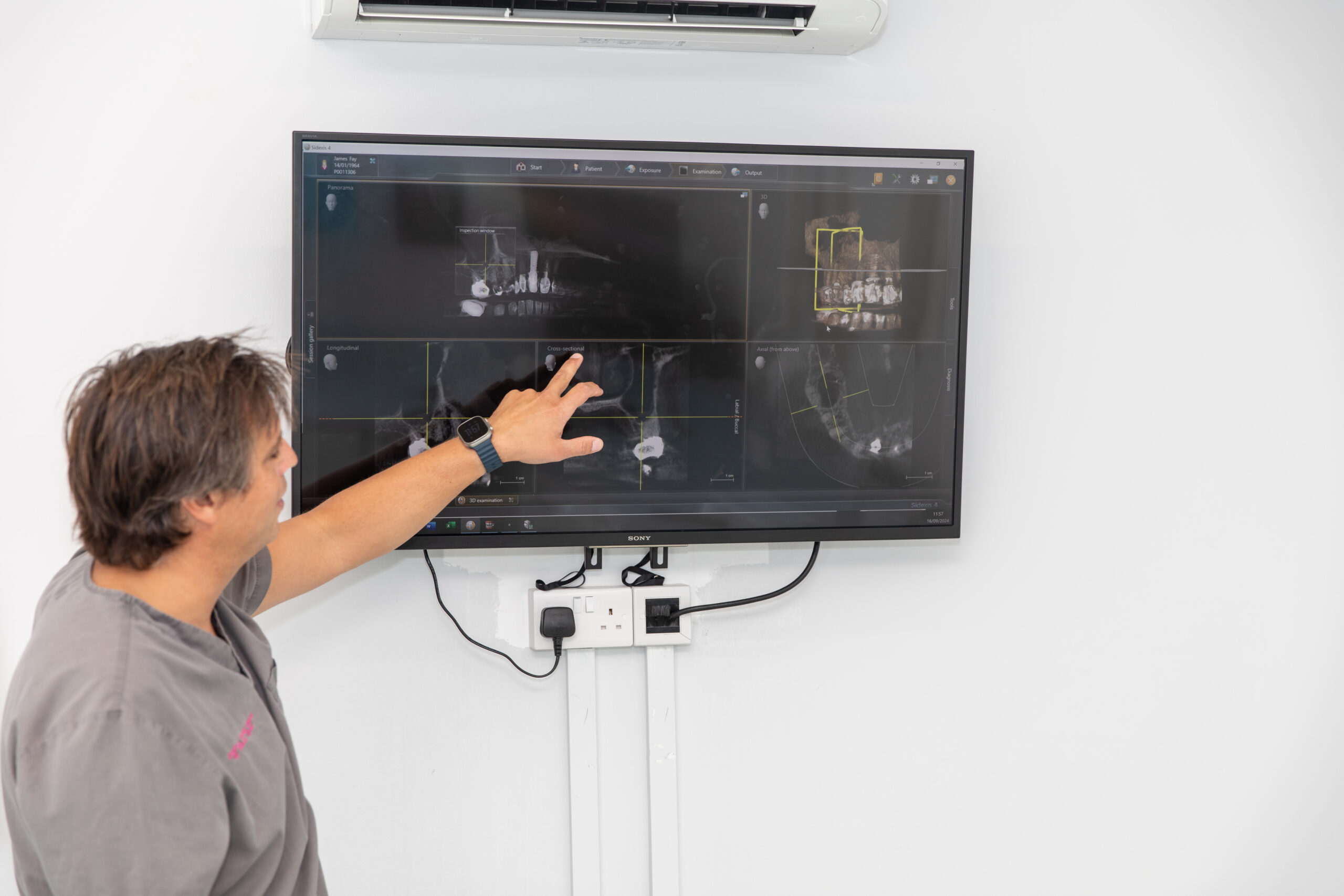
A comprehensive assessment is essential to determine suitability for dental implants. This stage involves:
- Oral Examination & Imaging (X-rays, CT scans): To assess bone volume and detect potential complications.
- Diagnosis & Treatment Plan: A customised plan is created, detailing the number of implants needed and any preparatory procedures like bone grafting.
- Discussion of Options: Different implant systems, restorations, and cost considerations are reviewed.
Stage 2: Implant Placement
The surgical procedure involves:
- Anesthesia: Local anesthesia or sedation is used for comfort.
- Incision & Bone Preparation: A small incision is made in the gum, and a hole is drilled in the bone to accommodate the implant.
- Insertion: The implant is carefully placed, ensuring primary stability.
- Suturing: The gum is stitched over the implant or left exposed, depending on the procedure type.
Stage 3: Healing and Osseointegration
- Healing Time: Typically 6 weeks to 6 months, depending on bone quality and amount of bone or gum grafting required.
- Post-Op Care: Patients must follow specific guidelines for pain management, diet, and hygiene.
- Temporary Restorations: Come in a variety of forms and may be placed during healing.
Stage 4: Restoration Phase
Once the implant has integrated, the restoration phase begins:
- Abutment Placement: This connects the implant securely to the crown, bridge or denture.
- Final Prosthesis: A custom-made crown, bridge, or denture is secured. Your new teeth look, feel, and function naturally!
Stage 5: Maintenance and Aftercare
Long-term success requires:
- Daily Brushing & Flossing: Prevents plaque buildup.
- Regular Professional Cleanings: At least every six months.
- Avoiding Hard Foods: Prevents damage to the restoration.


 by Dental Design™Site last updated: October 2026